

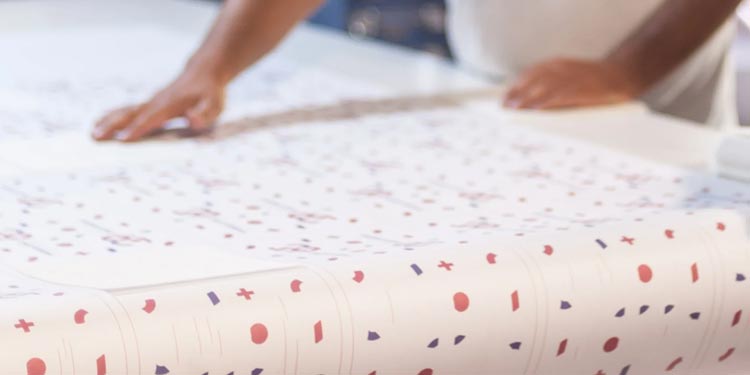
Printing Digital prints on Based Fabric
Digital Printing on Fabric is a modern and innovative technique that allows high-quality, full-color designs to be printed directly onto textiles with exceptional precision and vibrancy. Using advanced inkjet technology, digital textile printing applies eco-friendly, water-based inks onto pre-treated fabrics, allowing intricate patterns, gradients, and photographic details to be reproduced with unmatched clarity. This method eliminates the need for traditional screens or plates, making it ideal for both small-scale custom projects and large production runs. Digital prints on base fabrics maintain the natural feel and drape of the material while ensuring excellent color fastness and durability.
The process works beautifully on cotton, silk, polyester, linen, and blended fabrics, delivering smooth finishes and vivid, long-lasting results. Because it supports unlimited colors and seamless design changes, digital fabric printing offers designers and brands complete creative freedom — perfect for fashion collections, home décor, soft signage, and personalized textile products. With minimal waste and efficient ink usage, digital printing is also an environmentally responsible choice for modern textile production, combining artistry with sustainability.
Digital printing on base fabric involves transferring high-resolution designs directly onto textiles using inkjet technology, offering vibrant colors and intricate detail.
Here’s a breakdown of what to include on a page about Printing Digital Prints on Base Fabric:
What Is Digital Fabric Printing?
- Definition: A process where designs are printed directly onto fabric using digital inkjet printers.
- Benefits: High precision, vibrant colors, fast turnaround, and eco-friendly options.
Choosing the Right Base Fabric
- Fabric Compatibility: Cotton, silk, polyester, and blends can be used, but each requires specific ink types (e.g., reactive, acid, or disperse).
- Weave and Texture: Smooth, tightly woven fabrics yield sharper prints.
Design Preparation
- File Formats: Use high-resolution files in formats like TIFF, PNG, or JPEG.
- Color Profiles: Ensure designs use RGB or CMYK depending on printer requirements.
- Repeat Patterns: Seamless repeats are ideal for textiles.
Printing Process Overview
- Pre-treatment: Fabrics may need coating to help ink adhesion.
- Printing: Inkjet printers apply the design directly.
- Fixation: Heat or steam sets the ink.
- Post-treatment: Washing and drying to remove excess ink and improve durability.
Quality Control
- Color Fastness: Testing for wash and light resistance.
- Print Accuracy: Ensuring alignment and resolution meet standards.
Sustainability Considerations
- Eco-friendly Inks: Water-based inks reduce environmental impact.
- Waste Reduction: Digital printing minimizes fabric waste compared to traditional methods.
Applications
- Fashion and apparel
- Home textiles (curtains, cushions)
- Custom merchandise
- Interior design